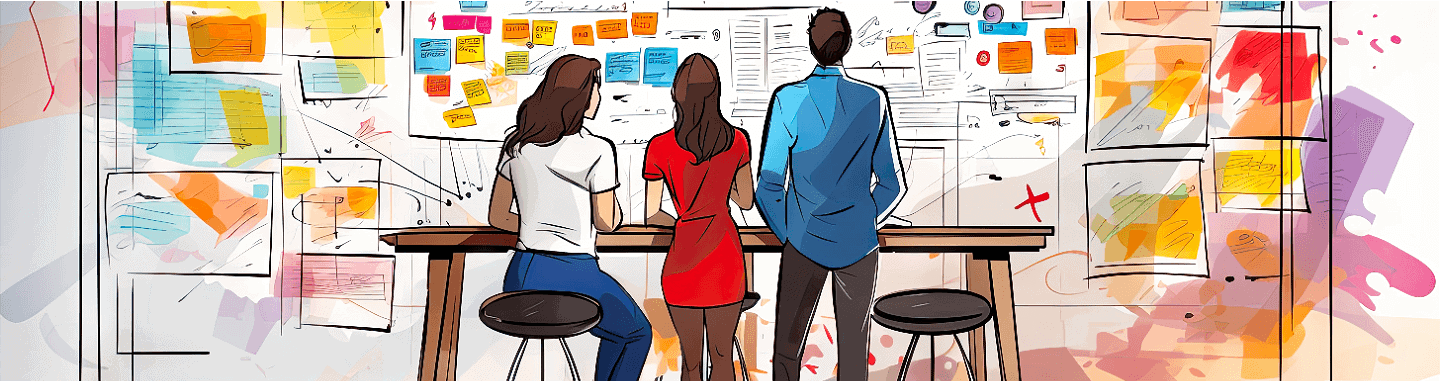

I remember the exact moment I realized our corporate training was failing. I was sitting in the back of a mandatory workshop I had helped design. The facilitator was clicking through a dense PowerPoint deck, reading bullet points verbatim. I scanned the room. Out of twenty participants, maybe three were looking at the screen. The rest were either subtly checking their phones under the table or staring blankly into the middle distance, their eyes glazed over with a familiar mixture of boredom and resignation. We were not just failing to teach them; we were actively draining their will to live.
It was a painful but necessary wake up call. We were treating training as a necessary evil, a compliance checkbox, an information dump. We focused on covering the content, hitting the learning objectives, and getting the sign off sheets collected. We completely ignored the human experience of learning. We were delivering instruction, but we were absolutely failing to deliver inspiration or impact. There had to be a better way.
My search for that better way led me, perhaps inevitably, to Disney. Specifically, to Doug Lipp’s book Disney U, which chronicles the history and philosophy of the legendary Disney University, the training powerhouse behind one of the world’s most beloved brands. Reading it was like discovering a secret map. It revealed that Disney’s “magic” was not an accident; it was the result of an incredibly intentional, deeply human approach to employee training. It offered a playbook for moving beyond boring checklists and creating learning experiences that genuinely engage people and shape a world class culture.
Beyond Skills: Training Isn’t Just Instruction, It Is Cultural Immersion
The first and most profound lesson from Disney U is this: training is not primarily about skills; it is about culture. Disney University was founded by Walt Disney and Van France not just to teach people how to operate a ride or sell popcorn, but to immerse them in the values, the story, and the purpose of the Disney brand. They understood that an employee who believes in the mission will deliver a fundamentally different level of service than one who is simply following instructions.
- The Disney Way: New hires (“Cast Members”) spend significant time learning the history, the traditions, and the language of Disney before they ever learn the specifics of their job. They learn the “why” before the “what.”
- Your Takeaway: Stop treating training, especially onboarding, as just skills transfer. Design it as a cultural immersion experience. Tell the company’s origin story. Clearly articulate your core values and connect them to daily work. Ensure every employee understands the larger purpose they are serving. When people feel like they belong to something meaningful, their engagement skyrockets.
Also read: How FocusU Turned New Hires into Company Culture Champions
Setting the Stage: Obsess Over the Learning Environment
Disney is famous for its obsessive attention to detail in its theme parks. Every sight, sound, and smell is carefully curated to create a seamless, immersive experience. They apply the same rigor to their training environments. Van France believed that the learning environment itself sends powerful signals about the organization’s values and standards. A messy, poorly equipped training room communicates that learning is not a priority.
- The Disney Way: Disney University classrooms were designed to be inspiring, comfortable, and equipped with the best available tools. The experience felt special, signaling the importance the company placed on its Cast Members’ development.
- Your Takeaway: You might not have a theme park budget, but you can still control the environment. Is your training room clean, bright, and welcoming? Does the technology work flawlessly? Are the chairs comfortable? Do you provide good coffee and snacks? These details matter. They signal respect for the learners’ time and attention. Even for virtual training, consider the “digital environment.” Is the platform easy to use? Is the facilitator well lit and engaging? Obsess over the details to create an optimal learning atmosphere.
The Curriculum of Care: Weave Storytelling and Emotion into Every Module
Disney understands that humans are emotional creatures who connect through stories. Their training curriculum is not just a list of facts and procedures; it is infused with narratives, anecdotes, and emotional appeals. They do not just teach the rule; they explain the reason behind the rule, often through a story about its impact on a guest’s experience.
- The Disney Way: Training modules often use storytelling frameworks. They create characters, present challenges, and show how applying the Disney principles leads to a positive resolution. They aim to connect with the heart, not just the head.
- Your Takeaway: Ditch the dry bullet points. Find the human stories that illustrate your key learning objectives. Use case studies with relatable characters. Ask participants to share their own relevant experiences. Frame technical information within a larger narrative about your customers or your mission. Emotion makes learning memorable.
Also read: How Storytelling Can Help Make Impactful Leaders
Empower the Cast: Train for Autonomy and Ownership
A common misconception is that Disney training creates robotic employees who just follow scripts. The reality, as Lipp explains, is the opposite. Disney University trains Cast Members on a set of core values and service standards, and then empowers them to use their judgment to create magical moments for guests. They are given principles, not just rigid rules.
- The Disney Way: Training focuses on building confidence and problem solving skills. Cast Members are encouraged to take ownership of guest issues and are given the autonomy to resolve them within certain guidelines.
- Your Takeaway: Design your training to build judgment, not just compliance. Focus on the underlying principles behind the procedures. Use scenario based learning where participants have to make decisions in ambiguous situations. Give your employees the tools and the trust to think for themselves. Empowered employees provide exceptional service.
Also read: Why Giving Autonomy To Employees Matters
Make it “Showtime”: Design a Memorable Learning Experience
Van France famously said, “We treat our training sessions like ‘show business’.” This does not mean cheesy entertainment. It means designing the entire learning experience with the same care and intentionality that Disney puts into its park shows. It is about creating moments of surprise, delight, and genuine engagement that make the learning stick.
- The Disney Way: Training incorporates variety, interaction, and sometimes even unexpected “magical moments.” The goal is to make the learning experience itself a positive and memorable reflection of the brand.
- Your Takeaway: Think beyond the lecture. How can you make your training more experiential? Use simulations, games, group activities, and real world application exercises. Even small touches, like a themed breakout activity or a surprise guest speaker, can elevate the experience from mundane to memorable. Make your training feel less like a mandatory class and more like an anticipated event.
Also read: The Anatomy of Impactful Learning Experiences
The Leader’s Role: Keeping the Values Alive After the Applause
Disney understands that the magic created in the training room will quickly fade if it is not reinforced back on the job. The role of managers and leaders is critical in keeping the values and standards alive.
- The Disney Way: Leaders are actively involved in supporting and reinforcing the training. They coach their teams, celebrate examples of great service, and hold people accountable to the standards.
- Your Takeaway: Training cannot succeed in a vacuum. Ensure your managers understand their role in coaching and reinforcing the learning. Integrate the language and concepts from the training into your team meetings and performance conversations. Make the training principles part of your team’s ongoing dialogue, not just a one time event.
Creating Your Own Magic
Reading Disney U was a powerful reminder that corporate training does not have to be a soul crushing experience. It can be inspiring. It can be engaging. It can be transformative. It does not require a multi billion dollar budget, but it does require a fundamental shift in mindset.
It requires seeing training not as a cost center, but as the primary engine for building your culture. It requires obsessing over the human experience, not just the content delivery. It requires weaving in emotion, story, and purpose. It requires empowering your people, not just instructing them. It requires, in essence, a commitment to creating your own kind of magic.
If you are ready to move beyond boring checklists and design training experiences that create real engagement and lasting impact, explore how FocusU helps organizations build capability and culture at FocusU.