
Tackling Misconceptions
Table of Contents
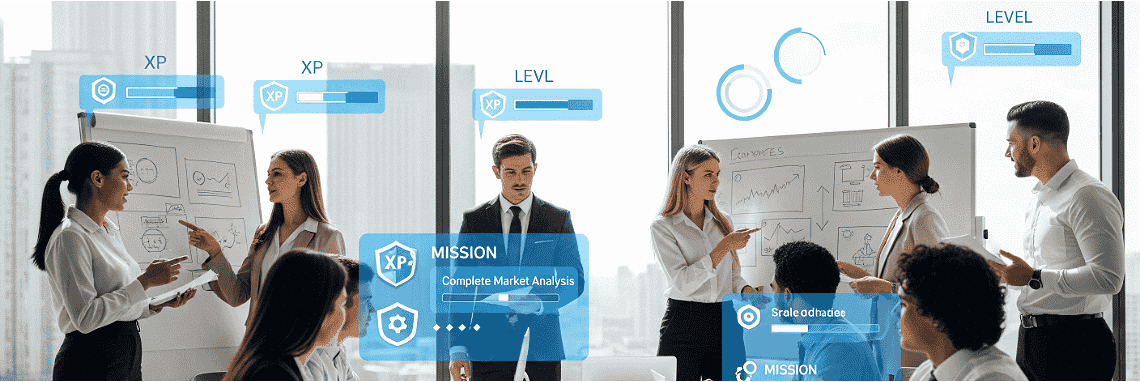
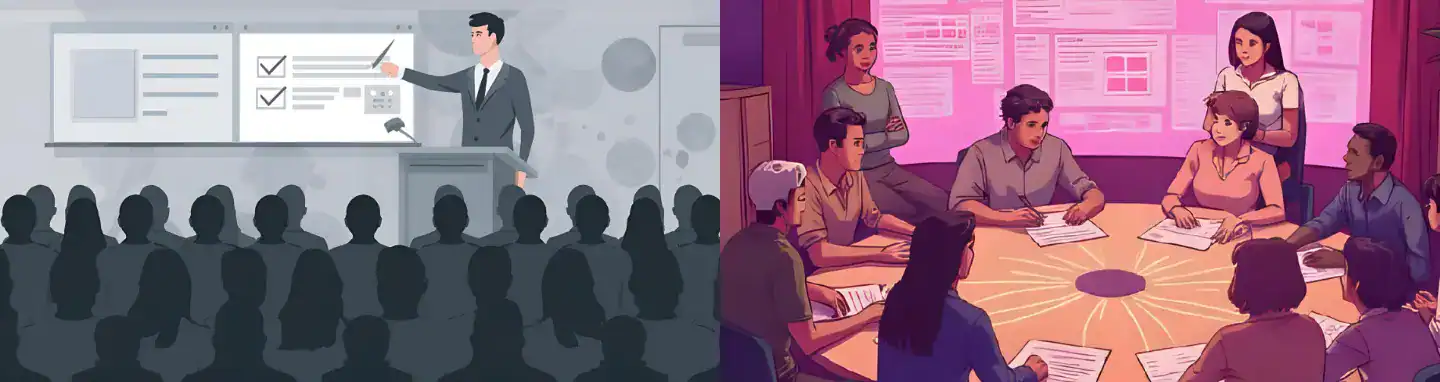
Experiential learning has gained significant momentum in corporate training, but it’s not without its challenges. One of the most common misconceptions I encounter is that experiential learning is “just fun and games.” This perception can undermine its value, making it difficult to gain serious buy-in from stakeholders. The reality is that when designed and executed thoughtfully, experiential learning is a powerful tool for driving behavioral change, enhancing collaboration, and solving real-world business challenges.
In this blog, I’ll delve into some of the common challenges organizations face when implementing experiential learning and share actionable solutions—from my personal experience—to overcome them.
Common Challenges in Experiential Learning
1. Lack of Serious Buy-In:
Stakeholders, particularly senior leaders, may view experiential learning as non-essential or “soft.” This can result in limited budget allocation, low attendance, or resistance to implementation.
2. Resistance to Change:
Employees and leaders alike often prefer familiar methods of learning, such as lectures or e-learning modules. Experiential learning’s interactive nature can feel uncomfortable or intimidating to some.
3. Measuring Impact:
Traditional training methods often rely on completion rates or knowledge tests to measure success. Experiential learning, however, focuses on behavioral change and skill development, which are harder to quantify. This can make it challenging to demonstrate ROI to stakeholders.
4. Design and Resource Intensity:
Creating impactful experiential learning programs requires time, effort, and expertise. Without proper planning, activities can feel disconnected from organizational goals.
ALSO READ: Why Experiential Learning?
Solutions to Overcome These Challenges
1. Educate Stakeholders:
Gaining buy-in starts with awareness. One approach I’ve found effective is inviting stakeholders to participate in a condensed version of an experiential activity. For example, I once led a short simulation for a skeptical leadership team that demonstrated how collaboration could solve complex challenges. The shift in their perception was almost immediate — they saw firsthand how the method aligned with their goals.
I also make it a point to share success stories and data from similar organizations. Case studies that highlight measurable outcomes — ike improved decision-making or increased team productivity — can be particularly persuasive.
2. Align Activities with Organizational Goals:
Tailoring activities to address specific business objectives is critical. For instance, I worked with a client whose goal was to improve cross-functional collaboration. We designed a team-building exercise that simulated interdepartmental challenges, encouraging participants to break silos and communicate effectively. By linking the activity to their real-world issues, we ensured the program felt relevant and impactful.
When facilitating leadership development, I often use simulations that mirror real-world decision-making scenarios. Participants walk away with not only insights but also actionable strategies that they can implement immediately.
3. Use Pre- and Post-Assessments:
I’ve found that assessments are a powerful tool to demonstrate the impact of experiential learning. For one program, I asked participants to rate their confidence in handling high-pressure situations before and after the session. The difference in their responses was striking and provided clear evidence of growth.
In another instance, we used peer feedback during a leadership simulation to measure improvements in communication and collaboration. These tangible results not only validated the program’s effectiveness but also built trust with stakeholders.
4. Provide Continuous Reinforcement:
Learning doesn’t end when the session does — a lesson I’ve learned through years of facilitating. To ensure long-term impact, I design follow-up activities like group discussions, coaching sessions, or even quick refresher challenges. For example, after a leadership retreat, I facilitated monthly check-ins where participants reflected on their progress and shared how they applied the lessons.
Continuous engagement ensures that participants internalize the learning and integrate it into their daily routines.
5. Simplify the Design Process:
Designing experiential learning programs can feel daunting, but I’ve learned that simplicity is often the key to success. One of my go-to activities is the Egg Drop Exercise — it’s straightforward, cost-effective, and drives home critical lessons about teamwork and innovation. By focusing on clear objectives and choosing activities that resonate with the audience, I’ve consistently delivered impactful programs without overcomplicating the process.
ALSO READ: 5 Steps for using Experiential Learning with Power of Play
Real-World Example: Overcoming Resistance
I once worked with an organization that was initially skeptical about experiential learning. Their leadership team saw it as a “fun” activity that wouldn’t deliver tangible outcomes. To address this, I designed a pilot program focused on improving team communication—a key pain point for their operations.
The program included a mix of collaborative exercises and reflective discussions. After seeing measurable improvements in team dynamics and productivity, the leadership team became strong advocates for experiential learning and expanded the initiative across other departments. Moments like these remind me why I’m so passionate about this work.
Conclusion: Tailoring Experiential Learning for Success
Experiential learning is a transformative approach, but like any method, it comes with its challenges. By addressing misconceptions, aligning activities with business goals, and using data to demonstrate impact, you can ensure your programs deliver meaningful results.
As someone who’s facilitated countless sessions, I can attest to the power of experiential learning when it’s tailored to meet the unique needs of an organization. It’s not just about “fun and games” — it’s about creating lasting change and driving real-world outcomes.
If you’re grappling with challenges in implementing experiential learning or want to explore how it can address your organization’s specific needs, let’s connect. Together, we can unlock the full potential of this impactful approach.