Sitting in class, Rahul looks at the blackboard. His teacher is writing equations and chemical symbols. The words seem hazy and the terms unclear. He just can’t work out what to do with these names and symbols. Disheartened, he switches off and leaves the topic without trying.
The next period, however, is the chemistry practical. He walks to the lab with his friends, still wondering what all these formulae are for. Then he sees chemicals and liquids in different bottles. The teacher asks the students to try, hands-on, the equations she taught in the previous class. Rahul is excited as he mixes two chemicals in a test tube and watches a reaction happen – a new substance forms. A compound! He can’t believe his eyes – those words and symbols have come to life!
Such is the power of experiential learning, because learning IS an experience; everything else is just information.
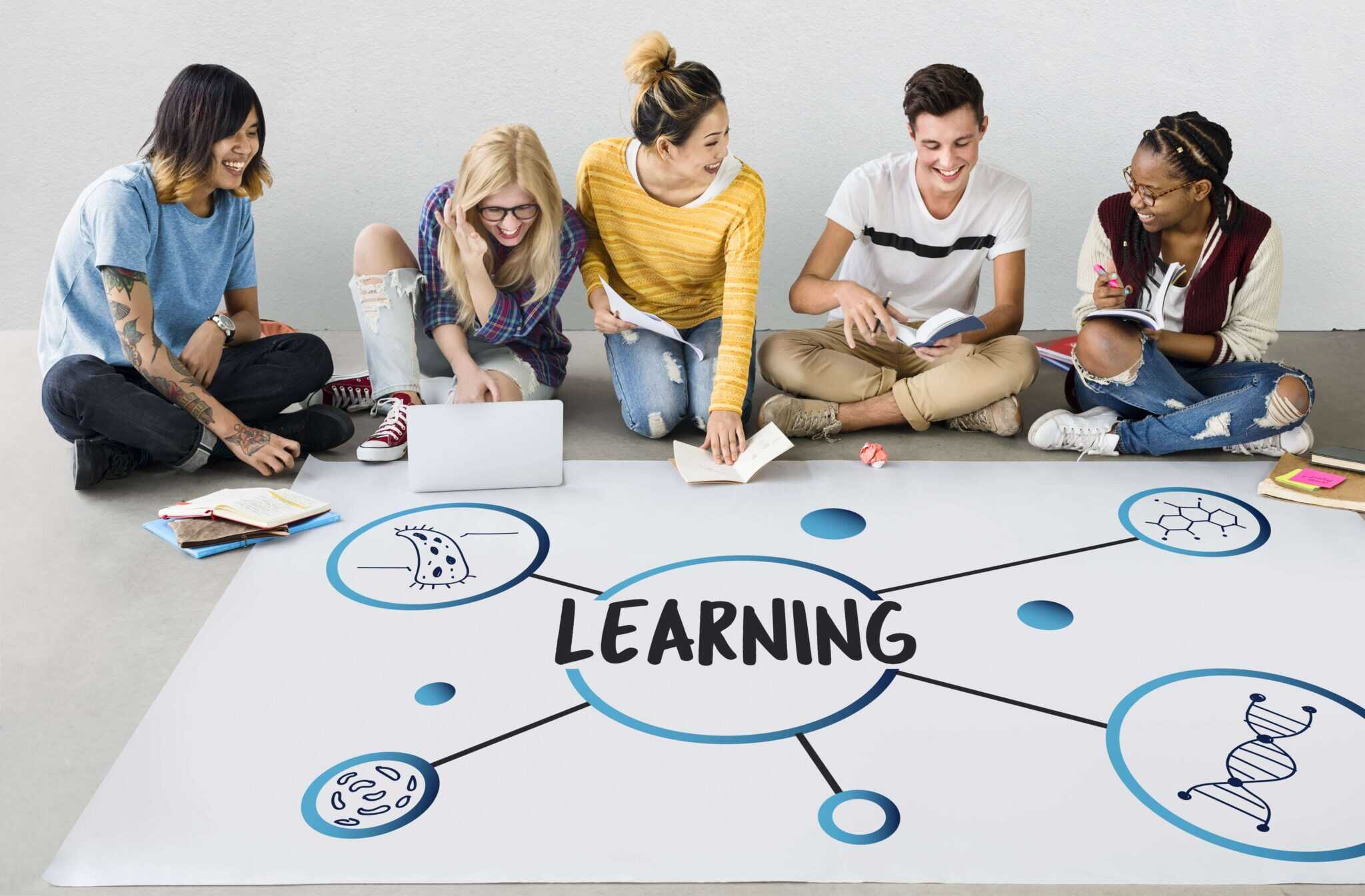
Experiential learning is learning by doing and then reflecting on it. It works because people engage actively, connect the experience to their own situation and practise applying it – which builds engagement, personalizes learning and improves retention far more than lectures or slides.
When you give learners something to do rather than something to learn – and that doing demands thinking – learning happens naturally. That’s as true in workplaces as in schools. A monotonous, theoretical workplace can be demoralizing and downright boring. A workplace filled with engaging experiential learning activities is key to boosting morale.
What Is Experiential Learning?
Experiential learning is the process of learning through experience – more specifically, “learning through reflection on doing.” Unlike rote learning, it involves active thinking and hands-on practice. David A. Kolb’s widely used model holds that to learn from experience, a learner needs four abilities:
- Willingness to be actively involved in the experience
- The ability to reflect on the experience
- Analytical skills to conceptualize the experience
- Decision-making and problem-solving skills to use the new ideas gained
Let’s explore the benefits of experiential learning programs at work.
Increased Employee Engagement
Experiential learning means learning through hands-on participation, with every individual actively giving their best – which is motivating in itself. It boosts engagement through the relationship-building that happens in small, team-based activities, which is why it sits at the heart of good team bonding.
Personalized Learning
For years, working professionals have been trained with the same PowerPoint presentations, leading to the same training for everyone. But every individual differs in how they think, feel and learn, and in their background. One presentation for all won’t give your people a kick-start. Activities that let them contribute their part, take part in decisions and own their role will undoubtedly increase motivation and engagement.
Higher ROI
Experiential learning goes beyond the classroom and traditional methods, helping people retain more of what they learn – and driving a better return on the training investment. Its impact grows further when it’s built into learning journeys rather than one-off sessions, and when the experiences are gamified to keep people engaged over time.
Now that you know the benefits, let’s look at common experiential learning methods.
On-the-Job Training
On-the-job training builds knowledge of job roles and responsibilities by letting employees learn their role in the real work environment – actively doing it and collaborating with colleagues as they go.
Role-Play
Role-play helps employees see things from different perspectives by acting them out. It’s an effective way to shift attitudes and analyse and improve interpersonal skills. Remember: a mind stretched by a new experience can never go back to its old dimensions.
Real-World Scenarios
This method recreates the key elements of real workplace situations so employees get a first-hand feel for what to expect. It gives people a safe space to learn, experiment with ideas and analyse the results of their actions – because the best source of knowledge is experience.
Why It Matters Now
Younger employees in particular aren’t motivated by money alone. They deliver better results when they’re involved in decisions, appreciated for their efforts and given a motivating, stimulating work culture. They’re driven by learning and by adding value – so adding value to their work is essential for every organization.
The content of any learning experience matters. But what really counts is how learners react to it, shape it and apply it. Building experiential learning into your culture fosters camaraderie, deepens understanding of and attachment to the work, and ultimately lifts productivity. It’s also a craft in itself – one we train facilitators in through the FocusU Certified Facilitator Program.
We’d love to hear from you! How are you building experiential learning into your work culture? Tell us in the comments, email us at hello@focusu.com, or talk to our team.
About the author