I once watched a marketing team stare at a whiteboard, completely stumped. They had been trying for hours to come up with a campaign for a “boring” B2B product. The room was stale with the ghost of a dozen rejected ideas. Then, an intern, fresh out of college, hesitantly spoke up. “This is probably silly,” she began, “but what if we marketed it like it was a superhero’s secret weapon?”.
The room was silent for a second. Then, a senior manager chuckled. But instead of dismissing it, he said, “Okay, let’s play with that. What would its superpower be?”. Suddenly, the energy shifted. The team started laughing, building on the idea, and within an hour, they had the foundation of their most successful campaign in years.
That intern did not have more experience or a higher IQ than anyone else in the room. What she had was a fresh perspective. She demonstrated the raw power of creative thinking: the ability to look at the same information as everyone else and see something new.
For too long, we have mistakenly locked creativity in the art studio. We equate it with the ability to paint or write a song. But in the workplace, creativity is not about being artistic; it is a strategic tool for problem solving, innovation, and growth. It is the engine that drives progress.
For professionals in Mauritius navigating rapid change, evolving customer expectations, digital transformation, and increasingly competitive markets, creative thinking has become an essential workplace capability rather than just a desirable skill. Organizations today are increasingly investing in creative thinking training in Mauritius, creative problem solving training, and innovation training initiatives to help teams adapt, collaborate, and generate fresh ideas in dynamic work environments.
What is Creative Thinking, Really?
Creative thinking is often misunderstood.
Many people assume creativity is reserved only for artists, designers, writers, or innovators working in highly imaginative fields. But in reality, creative thinking is a skill that every professional can benefit from, regardless of industry or role.
At its core, creative thinking is about approaching challenges differently, exploring new possibilities, and finding better ways to solve problems.
In today’s rapidly evolving workplaces, organizations are increasingly looking for employees who can adapt quickly, think independently, collaborate effectively, and generate fresh ideas. Technical expertise remains important, but the ability to think creatively has become equally valuable.
For professionals in Mauritius navigating rapid change, evolving customer expectations, digital transformation, and increasingly competitive markets, creative thinking has become an essential workplace capability rather than just a desirable skill. Organizations today are increasingly investing in creative thinking training in Mauritius, creative problem solving training, and innovation training initiatives to help teams adapt, collaborate, and generate fresh ideas in dynamic work environments.
In our experience, creative thinking is not about having extraordinary talent. It is about developing the willingness to question assumptions, experiment with ideas, and approach situations with curiosity and openness.
Also read: 11 Ways to Unleash Creativity and Innovation

What Is Creative Thinking?
Creative thinking refers to the ability to look at situations from new perspectives and generate ideas, approaches, or solutions that may not be immediately obvious.
It involves:
- Curiosity
- Flexibility
- Open-mindedness
- Imagination
- Problem-solving
- Experimentation
Creative thinkers are often willing to challenge conventional approaches and explore alternatives rather than automatically accepting “the way things have always been done.”
Importantly, creative thinking is not limited to breakthrough inventions or large innovations.
It can appear in everyday workplace situations such as:
- Improving team processes
- Resolving customer challenges
- Enhancing communication
- Finding smarter ways to collaborate
- Adapting to unexpected situations
- Identifying opportunities for improvement
In many cases, small creative improvements can create significant long-term impact.
Beyond Brainstorming: The Two Sides of Creativity
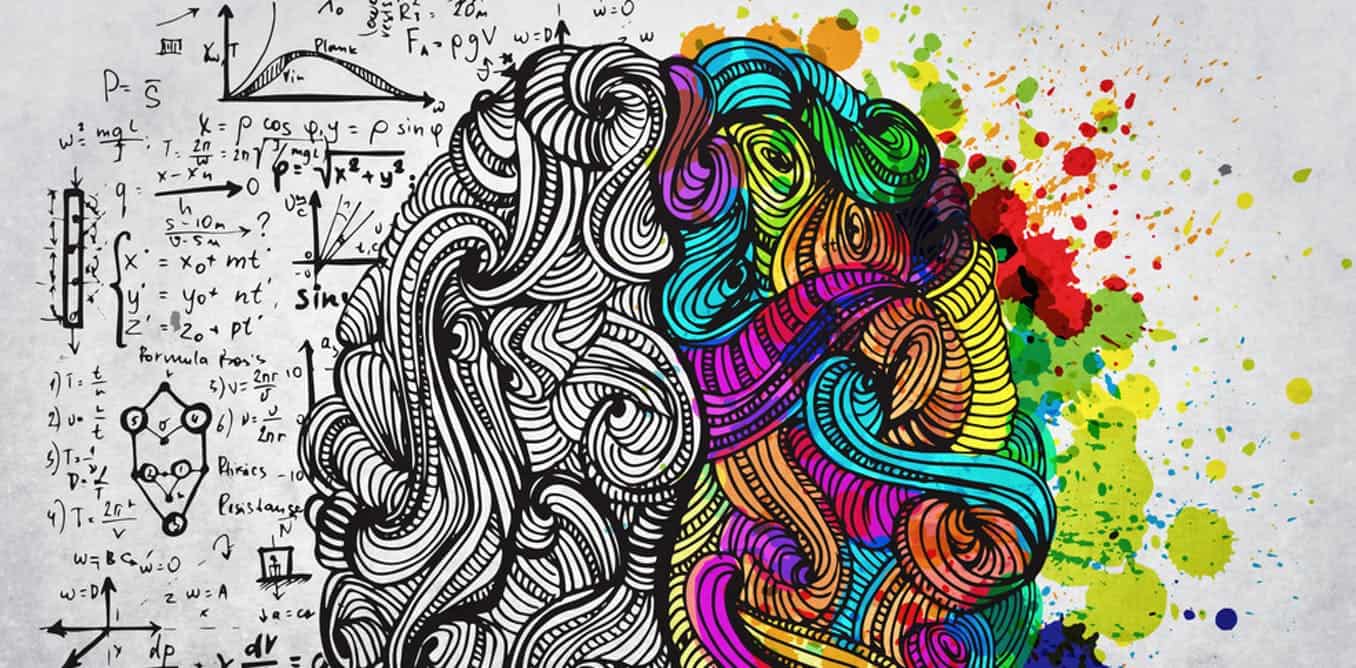
To truly master creative thinking, we need to understand that it is not just one activity. It is a dynamic dance between two distinct modes of thought: divergent and convergent thinking.
- Divergent Thinking: This is the “brainstorming” phase. It is about going wide and generating as many ideas as possible without judgment or analysis. The goal is quantity over quality. Think of it like casting a huge net to see what you can catch. In this phase, there are no bad ideas. The intern’s “superhero” suggestion was a classic act of divergent thinking.
- Convergent Thinking: Once you have a wealth of ideas, you need to make sense of them. Convergent thinking is the analytical phase. It is about evaluating, comparing, and refining your options to select the single most promising solution. It is about taking that wide net of ideas and carefully choosing the best catch. The senior manager guiding the team to flesh out the superhero concept was switching them into convergent thinking.
The most innovative teams are not just good at one of these; they are masters at switching between the two. They know when to open up and explore (diverge) and when to focus and decide (converge).
Creativity Is Not Just About Big Ideas
One of the biggest misconceptions about creativity is that it always involves dramatic innovation or groundbreaking ideas.
In reality, creativity often shows up through small improvements and practical solutions.
For example:
- A manager finding a better way to communicate with the team
- A customer service representative improving a client interaction process
- A team redesigning workflows to save time
- An employee suggesting a more collaborative meeting format
These may seem like small changes, but collectively they can significantly improve workplace effectiveness and culture.
Innovation thrives in environments where people are encouraged to think differently, experiment with ideas, and contribute openly, which is why innovation training in Mauritius is becoming more important for modern workplaces.
In our experience, organizations that encourage experimentation and idea-sharing often create healthier and more adaptive work cultures over time.
Barriers to Creative Thinking
Despite its importance, many workplaces unintentionally discourage creativity.
This often happens because organizations become heavily focused on:
- Efficiency
- Predictability
- Risk avoidance
- Rigid processes
- Short-term outcomes
While structure and consistency are important, overly rigid environments can limit experimentation and fresh thinking.
Employees may hesitate to share ideas because they fear criticism, failure, or rejection.
Some common barriers to creative thinking include:
- Fear of making mistakes
- Lack of psychological safety
- Excessive micromanagement
- Limited collaboration
- Resistance to change
- Fixed mindsets
In many organizations, people stop suggesting ideas not because they lack creativity, but because they feel their input is not welcomed or valued.
Creating environments where employees feel safe to experiment and contribute openly is essential for innovation and long-term growth.
Why Creative Thinking Matters in the Workplace
The workplace environment today is changing faster than ever before.
Organizations are navigating:
- Digital transformation
- Hybrid work environments
- Increased customer expectations
- Rapid technological change
- Competitive markets
- Constant disruption
As a result, employees are expected to do far more than simply follow instructions or execute routine tasks.
Organizations need people who can:
- Solve problems effectively
- Adapt to change
- Think strategically
- Collaborate across teams
- Generate innovative ideas
- Respond proactively to challenges
Organizations need employees who can solve problems effectively, adapt quickly, and collaborate creatively, making creative problem solving training in Mauritius increasingly relevant across industries.
In Mauritius, organizations across sectors such as financial services, hospitality, ICT, retail, and professional services are increasingly recognizing the importance of innovation and adaptability in the workplace. As industries continue evolving, teams are expected to solve problems faster, think more creatively, and respond effectively to changing customer and business needs.
Creative thinking helps organizations remain agile and competitive in uncertain environments.
It also supports stronger employee engagement because employees feel more involved when they are encouraged to contribute ideas and participate in problem-solving.
7 Actionable Techniques to Boost Your Creative Thinking
The good news is that creative thinking is a skill, and like any skill, it can be strengthened with practice. Here are seven practical techniques you can use to build your creative muscle.
- The Art of Asking “Why Not?”: Assumptions are the silent enemies of creativity. We often follow unwritten rules without ever questioning them. Start actively challenging the assumptions behind a problem. If someone says, “We cannot do that because of X,” ask, “What if X were not a problem? What would we do then?”. This question opens up new possibilities by temporarily removing perceived barriers.
- Mind Mapping for Clarity: Our brains think in connections, not in linear lists. Mind mapping is a visual technique that mirrors this natural process. Start with your central problem in the middle of a page. Then, branch out with related ideas, words, and concepts. This allows you to see the bigger picture and uncover connections you might have missed otherwise.
- Reverse Brainstorming: If you are stuck on solving a problem, try to make it worse. Instead of asking, “How can we improve customer satisfaction?”, ask, “How could we make our customers absolutely miserable?”. This sounds counterintuitive, but it is brilliant for identifying potential risks and uncovering the root causes of existing issues. By solving for the opposite, you often find the direct path to the right solution.
- Seeking Diverse Perspectives: If everyone on your team has a similar background and thinks the same way, you are operating in an echo chamber. Actively seek out input from people in different departments, with different roles, and from different life experiences. A fresh pair of eyes from someone who knows nothing about your project can often spot the obvious flaw or brilliant solution you are too close to see.
- The SCAMPER Method: This is a powerful checklist for sparking new ideas by looking at an existing product, service, or problem through seven different lenses:
- Substitute: What can you swap out?
- Combine: What can you merge with something else?
- Adapt: What can you add or change?
- Modify: Can you change the scale, shape, or color?
- Put to another use: Can you use it for a different purpose?
- Eliminate: What can you remove?
- Reverse: What can you rearrange or turn upside down?
- Embracing Intentional Constraints: We often think creativity needs total freedom, but sometimes the opposite is true. Imposing limitations can force you to think more resourcefully. Try giving yourself a tighter deadline, a smaller budget, or a limit of only three key features. Constraints eliminate lazy thinking and force you to find clever, elegant solutions.
- Practicing Mindfulness: Creative breakthroughs rarely happen when your mind is cluttered and stressed. Mindfulness practices, even just five minutes of focused breathing, can help quiet the mental noise. This creates the calm, open space necessary for new ideas and insights to emerge from your subconscious.
A Leader’s Role: How to Build a Culture of Creativity
As a leader or L&D professional, your most important role is not to be the most creative person in the room but to create an environment where everyone else can be.
- Celebrate Intelligent Failure: Fear is the number one killer of creativity. If your team is afraid of the consequences of a failed experiment, they will never take risks. Create a culture where trying something new and failing is seen as a valuable learning opportunity, not a punishable offense.
- Provide Psychological Safety: People will only share their “silly” ideas if they feel safe. This means fostering an environment of respect and trust, where team members feel they can be vulnerable, ask questions, and challenge the status quo without fear of embarrassment or retribution.
- Model Curiosity: Ask more questions than you answer. When your team sees you exploring problems with genuine curiosity rather than jumping to conclusions, you give them permission to do the same.
Also read: Psychological Safety: The Key to Employee Performance
Overcoming the Barriers to Creative Thinking
In his book A Whack on the Side of the Head, author Roger von Oech tells a great story about a teacher who drew a chalk dot on a blackboard. When he asked high schoolers what it was, they said, “a chalk dot.” When he asked kindergartners the same question, they came up with fifty different answers: an owl’s eye, a squashed bug, a star. The kids were not smarter; they were simply free of the “mental blocks” that we build up over time. The biggest barriers to creativity are often internal.
- The Fear of Being “Wrong”: From a young age, we are taught to find the one right answer. This conditioning kills divergent thinking. We must actively unlearn this and embrace ambiguity.
- The Pressure of “Busyness”: Creativity requires space. When our schedules are packed back to back, we have no time to think, reflect, or let our minds wander. Protecting downtime is essential for creative work.
- The Addiction to “What Is”: We are creatures of habit. It is comfortable to rely on proven solutions. Creative thinking requires venturing into the unknown, which can feel inefficient and risky, but it is the only path to breakthrough innovation.
The Takeaway: Creativity is a Choice, Not a Trait
The ability to think creatively is arguably the most important skill for navigating the complex and ever changing challenges of the modern workplace. It is the source of every new product, every process improvement, and every competitive advantage.
The most important thing to remember is that creativity is not a fixed trait you are either born with or not. It is a mindset that can be cultivated and a skill that can be developed. It begins with the simple choice to look at the world with curiosity, to challenge your own assumptions, and to believe that there is always a better way. As leaders, our job is to nurture that choice in ourselves and in our teams.At FocusU, we design experiences that help unlock the creative potential within teams. Through innovative solutions like LEGO® SERIOUS PLAY® and interactive workshops, we help organizations build a lasting culture of innovation and creative problem solving.