
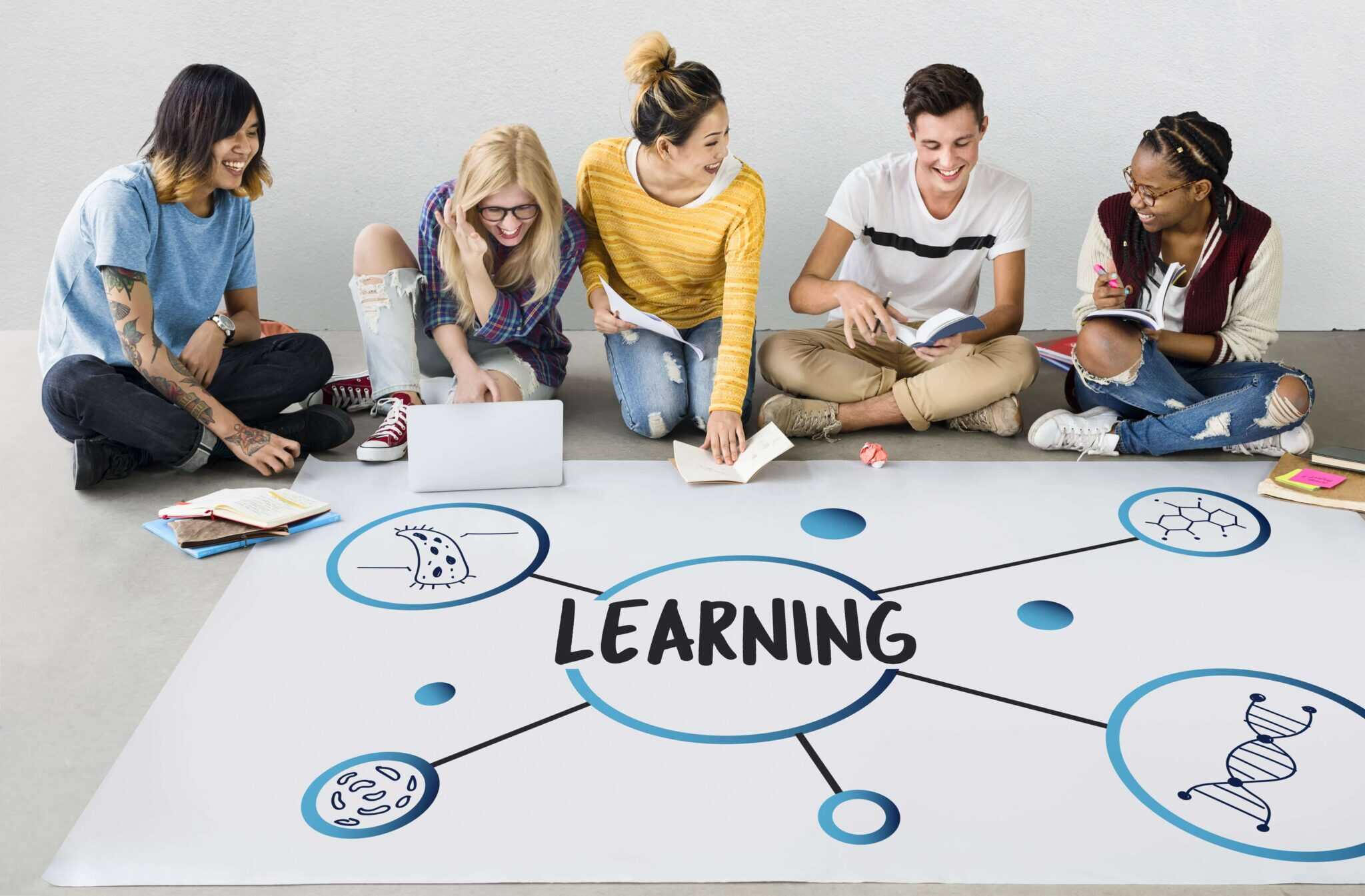
Experiential learning is one of the most powerful ways people learn.
Think about the skills you remember most strongly in your own life. Chances are, they were not learned purely through theory or instruction. They were learned through experience, reflection, practice, mistakes, collaboration, and application.
Whether it is learning to ride a bicycle, manage a difficult conversation, lead a team, or solve a real-world business challenge, experience often creates far deeper learning than passive observation alone.
This is the foundation of experiential learning.
Experiential learning moves beyond traditional “listen and absorb” approaches. Instead, it actively involves participants in the learning process through activities, simulations, challenges, discussions, reflection, and practical application.
In our experience, people retain learning far more effectively when they actively participate rather than simply consume information.
As organizations continue adapting to changing workforce expectations, hybrid work models, and evolving leadership challenges, experiential learning is becoming increasingly important for workplace learning and development initiatives across industries.
This is particularly relevant in Mauritius, where organizations across sectors such as hospitality, financial services, ICT, retail, and professional services are investing more intentionally in employee engagement, leadership capability, collaboration, and workplace culture development. Companies are increasingly recognizing that traditional presentation-heavy training methods alone may not create sustainable behavioral change.
Experiential learning helps bridge the gap between knowledge and action.
Understanding Experiential Learning
Experiential learning is more than just an engaging activity; it is a structured learning process that transforms knowledge into actionable skills. Developed by educational theorist David Kolb, the experiential learning cycle involves four stages:
- Concrete Experience: The learner engages in a hands-on activity or experience.
- Reflective Observation: They step back to reflect on the experience and identify key takeaways.
- Abstract Conceptualization: Insights gained are connected to theories or frameworks, turning experience into knowledge.
- Active Experimentation: Learners apply their newfound knowledge to real-world scenarios.
This cyclical process ensures that learning is not only interactive but also deeply internalized.
The Corporate Relevance
Traditional learning methods, like lectures and slide-based presentations, often fall short in engaging participants. Employees may leave a session feeling inspired but fail to translate their newfound knowledge into actionable skills. Experiential learning bridges this gap by:
- Engagement through Action: Participants actively engage in scenarios that mimic real-life challenges, which keeps them invested in the learning process.
- Collaboration and Teamwork: Experiential learning often involves group activities that foster collaboration, trust, and shared accountability.
- Problem-Solving Skills: By navigating simulated challenges, participants develop critical thinking and decision-making abilities.
- Immediate Feedback: Learners receive real-time feedback, allowing them to adjust their approach and see the impact of their decisions.
Examples of Experiential Learning Activities
From my experience as a facilitator, here are some activities that bring the principles of experiential learning to life:
- The Survival Challenge: Teams are tasked with making strategic decisions in a simulated survival scenario. This activity highlights the importance of communication, resource allocation, and decision-making under pressure.
- The Egg Drop Exercise: Participants work together to design a solution to protect an egg from breaking when dropped. This creative task encourages innovation and teamwork.
- Leadership Simulations: Role-playing exercises that simulate leadership challenges, allowing participants to explore different leadership styles and approaches.
The Bike Metaphor
I often use the analogy of learning to ride a bike to explain experiential learning. Imagine trying to master cycling by watching videos or reading manuals. While you might understand the theory, you won’t truly grasp the balance, coordination, and muscle memory required until you get on the bike. Similarly, experiential learning immerses participants in practical activities, allowing them to “feel” the concepts they’re learning.
Why Does Experiential Learning Work?
The success of experiential learning lies in its ability to connect with participants on a deeper level. Here’s why it works:
- Retention Rates: Studies show that people retain 75% of what they learn by doing, compared to only 10% from reading or 20% from lectures.
- Emotional Connection: Engaging activities evoke emotions, making the learning experience memorable.
- Real-World Application: Experiential learning prepares participants to handle workplace challenges by simulating real-life scenarios.
- Breaking Monotony: Traditional training sessions can be monotonous. Experiential learning breaks the routine, creating excitement and curiosity.
Challenges in Implementing Experiential Learning
While the benefits are clear, implementing experiential learning in corporate settings comes with its challenges:
- Perception as “Fun and Games”: Some stakeholders may view experiential activities as entertainment rather than serious learning.
- Resource-Intensive: Designing and facilitating meaningful activities requires time, effort, and skilled facilitators.
- Measuring Impact: Unlike traditional training, where completion rates or test scores can be tracked, measuring the behavioral impact of experiential learning requires robust assessment methods.
Overcoming These Challenges
To maximize the effectiveness of experiential learning, it’s important to:
- Align Activities with Business Goals: Design activities that address specific organizational challenges and objectives.
- Educate Stakeholders: Communicate the value of experiential learning through case studies and measurable outcomes.
- Use Pre- and Post-Assessments: Evaluate participants’ skills and behaviors before and after the session to demonstrate progress.
Experiential Learning and Employee Engagement
One reason experiential learning has gained popularity is because it naturally increases engagement.
Traditional learning environments sometimes position participants as passive listeners. Experiential learning changes that dynamic completely.
Participants become active contributors.
They collaborate, solve problems, make decisions, communicate under pressure, and reflect together.
This creates:
- Higher energy
- Better participation
- Greater emotional involvement
- Stronger collaboration
- Improved learning retention
Employees are generally more engaged when learning feels relevant, practical, and interactive.
In our experience, people often remember experiential learning moments years later because they are emotionally connected to the experience itself.
This is particularly important in hybrid and digital work environments where maintaining attention and engagement can be increasingly difficult.
Organizations looking to create more engaging workplace learning experiences may also find value in exploring gamification and interactive learning approaches. You can read more here: https://focusu.com/mu/blog/how-to-spice-up-your-learning-development-initiatives/
Common Examples of Experiential Learning
Experiential learning can be designed in many different ways depending on organizational goals.
Some common examples include:
1. Business Simulations
Participants navigate realistic business challenges involving decision-making, communication, strategy, and leadership.
2. Team Challenges
Groups work together to solve problems, manage constraints, and improve collaboration.
3. Role Plays
Participants practice workplace scenarios such as feedback conversations, conflict resolution, or customer interactions.
4. Outdoor Learning Activities
Teams participate in physical or experiential activities designed to build trust, leadership, and communication.
5. Gamified Learning Experiences
Learning incorporates game mechanics such as points, missions, leaderboards, or challenges to improve participation and engagement.
Each format creates opportunities for action, reflection, and behavioral insight.
The Mauritius Context for Experiential Learning
Organizations in Mauritius are increasingly recognizing that workplace learning needs to evolve alongside changing business realities.
Employees today expect learning experiences that are interactive, collaborative, and directly relevant to their work environments. At the same time, leaders are navigating increasingly complex team dynamics across hybrid work settings, customer-facing environments, and culturally diverse teams.
This is especially relevant in sectors such as:
- Financial services
- Hospitality
- ICT and technology
- Healthcare
- Retail
- Professional services
In our experience, Mauritius organizations are increasingly exploring experiential learning approaches because they help employees actively practice workplace behaviors rather than simply discuss them theoretically.
Experiential learning also supports stronger employee engagement, collaboration, and leadership capability, all of which are becoming increasingly important for organizations competing for skilled talent and sustainable growth.
Challenges With Experiential Learning
While experiential learning can be highly effective, it is not simply about conducting activities.
Poorly designed experiential programs can sometimes feel disconnected, superficial, or overly entertainment-focused.
Effective experiential learning requires:
- Clear learning objectives
- Skilled facilitation
- Psychological safety
- Meaningful reflection
- Relevance to workplace realities
- Structured debriefing
The goal is not activity for the sake of activity.
The goal is to create experiences that lead to insight, behavior change, and practical application.
In our experience, the most impactful experiential learning initiatives are the ones where participants clearly understand how the experience connects back to their everyday work challenges.
Final Thoughts
Experiential learning is powerful because it transforms learning from passive observation into active participation.
When people experience concepts directly, reflect on their actions, collaborate with others, and apply lessons in realistic environments, learning becomes more meaningful and memorable.
As organizations continue navigating changing workforce expectations and increasingly complex workplace dynamics, experiential learning offers a highly effective way to strengthen leadership, communication, collaboration, and employee engagement.
For organizations in Mauritius looking to build stronger teams, healthier workplace cultures, and more impactful learning experiences, experiential learning can play an important role in creating sustainable behavioral change.
If you would like to explore how experiential learning approaches can support different industries and workplace challenges, you can learn more here:
https://focusu.com/mu/sectoral-expertise/
You can also explore commonly asked questions around workplace learning and development here:
https://focusu.com/mu/faqs/
Conclusion
Experiential learning aligns seamlessly with the demands of today’s fast-paced workplaces. It fosters deeper engagement, encourages practical application, and ultimately drives better results. For me, it’s not just about learning for the sake of knowledge—it’s about learning to create impact. By embracing this hands-on approach, organizations can empower their teams to tackle challenges with confidence and creativity.
Whether it’s through survival challenges, leadership simulations, or collaborative problem-solving tasks, experiential learning offers a pathway to growth that is both meaningful and transformative. It’s time to move beyond theory and embrace the power of learning by doing.


